55% OFF + 2 FREE ACCOUNTS
Limited Time
Code:
GUNTER

Advanced Forex Trading concepts demystified. Learn clear, rule-based strategies to optimize trades and scale profits with AquaFunded’s funded accounts.

Backtested systems often falter in live markets, where factors such as leverage, slippage, and execution noise disrupt strategy performance. Traders develop Forex Trading Success Stories by honing advanced forex trading skills—refining risk management, solidifying price action insights, and strengthening psychological discipline. Integrating technical and fundamental analysis helps bridge the gap between simulation and steady market returns.
Clear execution protocols and systematic scaling transform promising strategies into consistent performance. A disciplined approach that thoroughly aligns backtesting with market realities paves the way for genuine capital growth. AquaFunded’s funded trading program supplies traders with capital and essential tools to support the refinement of repeatable, profitable strategies.
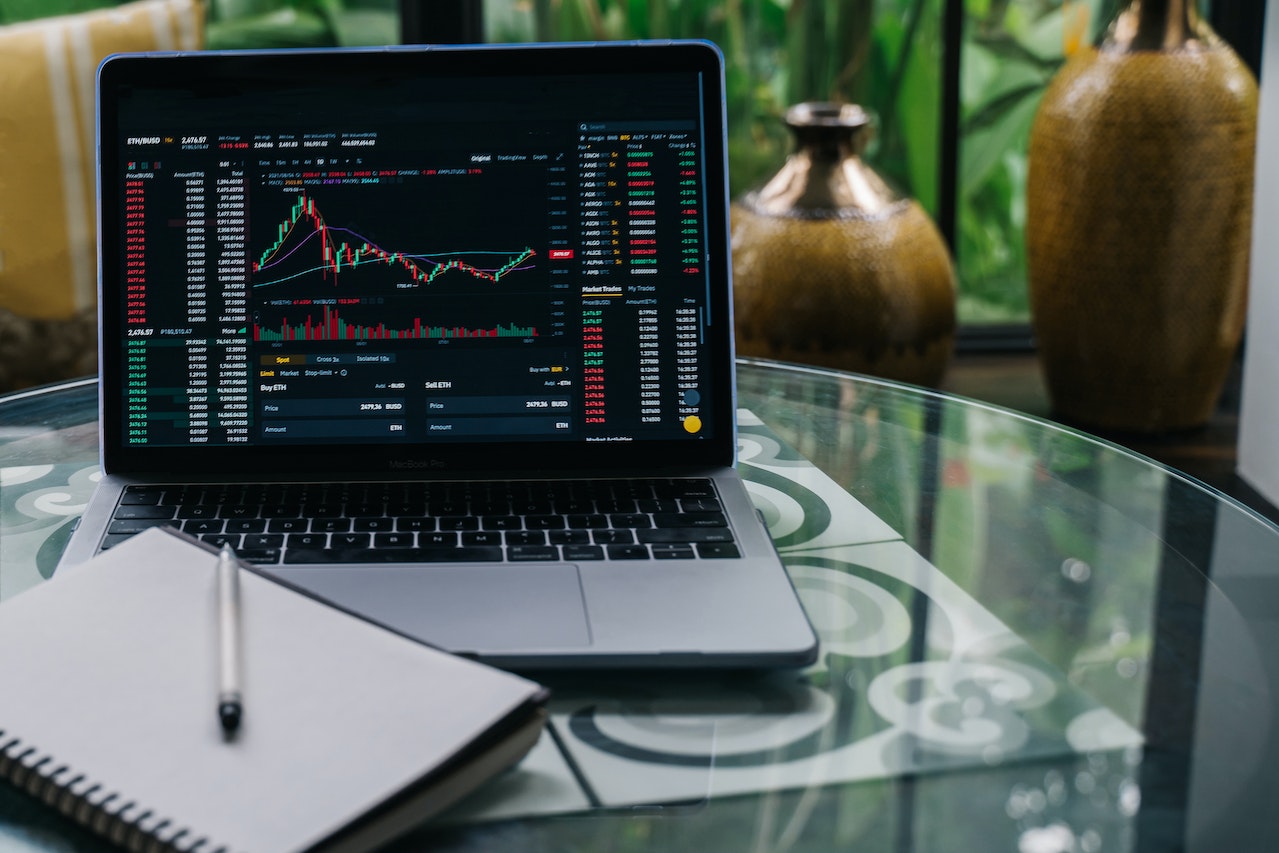
Forex trading offers practical advantages from the start. These include flexible hours, low entry costs, and tools that help traders turn repeatable processes into measurable performance. These features make forex an excellent training ground for disciplined, execution-focused traders who want to move from guesswork to structured systems. To enhance your experience, consider our funded trading program, which helps traders leverage these advantages.
Round-the-clock market access enables trading beyond regular business hours. As global banking centers stagger their hours, there is always someone trading. This flexibility allows traders to adjust their schedules to the market. According to DailyForex, "The Forex market operates 24 hours a day, five days a week, providing flexibility for traders to trade at their convenience." This means traders can match their trades to the session that best fits their strategy and time zone. A practical tip is to choose currency pairs that are most active during your monitoring hours, rather than forcing yourself to trade at inconvenient times.
Learning is easy to find and abundant. Trading forex no longer needs a university degree.
There are many high-quality training options available online, including videos, webinars, and structured courses tailored to your skill level. We’ve seen traders speed up their learning by organizing free beginner materials into focused practice routines. Here’s a practical tip: follow a curriculum that covers everything from platform use to risk management, and check your progress with small, repeatable exercises.
Practice without putting capital at risk is possible through demo accounts, which simulate live order entry and execution. This helps traders understand the mechanics of position sizing, stops, and platform workflows without losing money. It's essential to treat the demo as a practice lab before starting live trading with small amounts. This method helps confirm the mental model under real fills and slippage. Here’s a practical tip: expect the switch to live trading to feel different. The sooner real money is risked in small amounts, the faster the emotional response system aligns with the set rules.
Exceptional liquidity and execution quality. Liquidity in forex is very deep, which means there are tighter spreads and faster fills even for bigger orders. The size of the market explains this. As noted by DailyForex, "The forex market is the largest and most liquid market in the world, with a daily trading volume of over $6 trillion." The market scale indicates that price impact is low and execution quality is more important than luck. A practical tip is to plan your entries and exits during session overlaps, as liquidity and volatility are typically higher at these times.
Start small and grow slowly. You do not need much capital to get started: accounts can be opened with small deposits. This method lets you learn risk control before making bigger trades. The real talent is in handling losses, not in maximizing the first trade size. A good tip is to risk a small percentage of your money on each trade and only increase the size after you get steady, measured gains.
Low explicit transaction costs mostly come from the bid/ask spread in forex trading, not from high commissions. Many brokers also do not charge account fees and basic deposit fees, which helps keep costs low. This situation allows traders to test execution strategies without incurring significant losses from small gains. A helpful tip is to compare live spreads and execution records from different brokers. Also, consider the average spread when figuring out your expected return per trade.
Global access from any connected device is very important. Traders can execute trades from a laptop or phone, anywhere with an internet connection. This flexibility improves responsiveness and uptime, which gives them a competitive edge. While trading on a mobile device is not a replacement for a well-tested desktop setup during active sessions, it helps to avoid missed exits. A helpful tip is to keep a simple checklist for mobile trade management to ensure traders don't improvise under stress.
Modern trading technology is readily accessible. Platforms now combine charting, backtesting, and API execution into tools that can be used every day to improve execution and track strategy performance. Think of these tools as quality checks; better tools lower guesswork and show where we can improve our process. A helpful tip is to use measurable metrics for every strategy, then focus on the weakest area.
Leverage amplifies returns and losses. It allows people to control larger investments with a smaller amount of money, which accelerates both gains and losses. Use leverage as a scalpel, not a sledgehammer, and always be strict about how much you invest and have a plan for stopping losses. A helpful tip is to set maximum investment amounts and manually check margin limits, ensuring leverage increases only with proven process stability.
Broker oversight and regulatory protections improve the trading environment. While forex is decentralized, reputable brokers operate under clear rules, undergo audits, keep client funds separate, and are transparent about pricing. This institutional oversight significantly reduces risk from third parties and builds trust in executing trades and safeguarding assets during systematic trading. A practical tip: choose brokers that are regulated in recognized jurisdictions and review their operating practices before you invest significant funds.
Most teams use spreadsheets, chat threads, and quick checks because these methods are familiar and require no new systems. While this approach works at first, as trading becomes more frequent and strategies become more complex, manual workflows begin to break down. Fills, risk limits, and execution rules usually move to email; audits fall behind; and latency errors can occur. Platforms like AquaFunded combine execution, analytics, and risk controls, helping teams keep consistency as they grow. This results in faster decision-making while maintaining auditability.
A helpful analogy for understanding the forex market liquidity is a multi-lane highway. In this scenario, your execution system acts like the suspension and brakes. A well-designed setup allows you to drive quickly while maintaining control.
This simple advantage can have a significant impact in ways you may not expect.
Advanced forex ideas have shifted from clever tricks to engineered processes: each tactic now requires clear execution rules, measurable risk controls, and tools to demonstrate whether an advantage is real. Below, I list the main advanced strategies, explaining each with execution details, potential pitfalls, and practical controls you can start using right away. Additionally, consider how our funded trading program can support your trading journey by providing capital to enhance your trading strategies.
Counter trading: Start with an apparent trigger, not just feelings. Look for many candles that go against the trend. Then, find the entry point at the low of the counter candle (if the trend is going up) or at the high (if the trend is going down). To confirm the signal, requires at least two confirming candles, volume contraction compared to the last three bars, and a limit on the spread for the fill to be acceptable. Manage risk by comparing the countermove to a trend impulse line, and place the stop-loss just past the price swing between those lines. Size the position so that the stop equals a fixed percentage of your equity. Track trade metrics like win rate, average loss, and realized slippage. Stop using this setup if slippage or win-rate decay goes past set limits over a rolling 50-trade window. Visit Minsky Moment for more insights.
Treat swaps like a yield overlay, not a free meal. When you hold positions overnight, consider daily carry, counterparty funding costs, and how those costs accumulate over multiple days. Use forward-rate adjustments to determine when swaps will reverse their sign, especially near central bank meetings or during periods of tight liquidity, such as holidays, Execute trades with set time-in-market rules. Only aim for multi-night holds when both price momentum and carry are positive. Also, limit your exposure to carry strategies by setting a maximum days-to-maturity for your portfolio to reduce rate-shock risk.
Cross-Currency Triangulation. Triangulation is an execution strategy that involves three steps; it should be treated as a single atomic order whenever possible. First, calculate the implied cross-rates from the two quotes that share the common currency. Then, compare these rates to the direct cross rate. Only start execution if the expected profit exceeds the transaction costs plus an additional amount for potential unfavorable movement during fills. To mitigate conversion risk, ensure the steps have matching settlement dates and use netting where possible. This method helps prevent temporary FX exposure that could lower the edge. Track the process by recording the time for each step, measuring delays, and logging realized profit and loss separately for conversion slippage and the bid-ask spread.
Arbitrage trading is time-sensitive, so it's essential to automate detection and execution. Use a pre-trade filter that requires a minimum price difference after fees, and ensure you can execute both buy and sell orders simultaneously, preferably on the same broker or at nearby venues, to avoid funding issues. Keep an eye on how fast orders are executed and use cancel-if-not-filled logic; measure the opportunity decay half-life so you know when to stop looking for trades in narrow time frames. During planned market events, be prepared to increase your risk limits, as spreads and fills can change rapidly.
Position trading. Position trading needs macro context and careful exits. Create a plan with a clear timeframe, needed macro signs, and rules for taking profits in the middle. Use different stop layers: an operational stop to limit daily losses and a structural stop that connects to changes in macro indicators. For example, think about a continued break of a multi-month trendline or a significant change in interest-rate differences. Report position-level metrics every week and check positions against unexpected policy changes and significant spikes in volatility over several weeks.
Non-Farm Payroll (NFP) trading. Treat NFP as a volatility generator rather than a directional oracle. Develop a pre-event plan that specifies entry bands to avoid erratic fills in the initial aftermath. This can involve either trading the fade of the immediate knee-jerk move or waiting for a defined reversion time window, such as 15 to 45 minutes after the release. Position size should be smaller than the usual intraday amount, and leverage clamps should be removed during the release. It is essential to log how your fills perform relative to the time of release, allowing you to determine which approach yields a positive expectancy over at least 200 events.
Bonds spread trading can act as an essential clue for carry and directional trades, not just confirming them. Traders should turn changes in government yield differences into expected FX moves using duration-adjusted methods. It's also essential to adjust trade sizes based on expected currency reactions. Additionally, including bond market liquidity filters is vital; even though yield changes often lead to FX, they can be reversed when liquidity disappears. It is recommended to backtest spread-driven rules across various volatility conditions and use the resulting signals to adjust stop placements accordingly.
Open position ratio. Think of the open position ratio as a behavioral heat indicator, not an exact prediction. You should look at it alongside volume and order flow to distinguish between crowding and conviction. A high open position ratio with low execution volume often shows stale positioning. On the other hand, a high open ratio with increasing volume means active accumulation. Use this knowledge to adjust your bias and execution timing: focus on entering trends when both the open ratio and flow rise, and consider mean-reversion strategies when they do not.
Algorithmic trading means creating the algorithm as a part of the production process with observability. Important metrics to check include entry rates, execution fill quality, latency percentiles, and P&L attribution. Set clear rules for when to re-optimize, and verify changes using out-of-sample data before making any parameter updates. It is critical to run simulated fills using real historical spreads and slippage models. Comparing simulated slippage to live slippage every week is also very important. Treat the algorithm as manufacturing equipment by including preventive maintenance windows and rollback plans to address parameter drift.
High-frequency trading (HFT) methods look for small advantages in the market. It's essential to check whether the expected micro-pips, multiplied by the order volume, are sufficient to cover the fixed costs of colocation and low-latency hardware. Tracking event-level metrics such as median response time and false-trigger rates is critical. Also, maintaining kill-switch thresholds can help stop strategies when error rates or poor choices exceed safe thresholds. Think of HFT like a pit crew; minor speed improvements need precise coordination and strict quality control, not improvisation.
Cointegration trading involves identifying pairs of assets using Johansen or Engle-Granger tests across different time periods. After that, set rules for entering trades based on standardized residuals, and explain how to rebalance when residuals drift apart. Combine the statistical signal with money management rules that limit how much you invest in each pair and set a minimum liquidity threshold. To ensure the strategy works well, verify that the cointegration coefficients remain stable across market conditions. Also, perform walk-forward testing to prevent data-snooping issues.
Carry trade: Think of carry as a yield stream that adds on top of the value changes. Do carry trades with active hedging rules, such as adjusting stop levels when market moves exceed a certain threshold or when central bank news changes. Use options as a cheap way to protect yourself when your carry exposure is significant compared to your capital. Check how well your carry is performing after accounting for hedging costs over several months.
Most teams manage strategy orchestration by putting together spreadsheets, chat logs, and manual checks. While this common approach might work at first, it can lead to execution drift as strategies increase. This drift delays error detection and creates audit gaps that increase risk. Platforms like AquaFunded offer centralized execution, pre-trade risk controls, and institutional analytics. These features shorten decision cycles and maintain an auditable trail, allowing teams to expand their strategy range without increasing operational failure modes.
A risk reminder for anyone testing these setups is highlighted by the stark retail outcome captured by Seacrest Markets: 75% of retail CFD accounts lose money (Seacrest Markets, 2023). This statistic shows why process discipline and measured execution are more important than clever strategies. It is also essential to think about the market scale, which makes execution critical. According to Seacrest Markets, CFD trading volume reached $5 trillion per day, and microstructure effects and latency can materially affect results at scale.
These methods should be viewed as integral components of the machine, not merely separate techniques. If one part fails, it affects the whole output. This shows why measurement, pre-trade checks, and strict stop discipline are essential in our funded trading program.
That tactic sounds smart until one realizes how subtle execution flaws can erode the edge. It is here that the situation becomes unexpectedly human.
Consider these ten concrete, practitioner-tested moves you can implement right away. Each item below provides clear execution cues, controls, and key metrics to monitor as you build consistent performance. Read each point as a rule set that you can put into practice, measure, and improve.
Use AquaFunded to give skilled traders instant or challenge-based access to funded accounts of up to $400K. There are no strict deadlines, modest profit targets, and up to a 100% profit split. This helps you grow without risking your own money. Think of it as a way to quickly move from a proof-of-concept to real growth while keeping your risks low. The platform offers instant funding and a 48-hour payment guarantee, so you won’t face the delays that typically slow funded programs. When you see funded access as a way to scale up your trading instead of a shortcut, you stay disciplined while testing bigger position sizes and real-market trades.
Know the markets: Master the drivers behind the pairs traded, especially macro flows and liquidity shifts that change execution assumptions. Focus your scope: select a few pairs that fit your available trading hours, and arrange your trades based on session liquidity and usual spread behavior. During an eight-week coaching cohort with 24 novice traders, a pattern emerged: those who narrowed their focus and tracked a simple economic calendar improved more quickly than those trying to follow every news story.
Make a plan and stick to it. Write practical rules, not just hopeful. Clearly state your entry trigger, stop-loss level, investment amount, and review frequency. Treat your plan as part of a machine, with rules for replacing it if it no longer works well. If emotions make it hard to follow the plan, consider adding a checklist to complete before you make any trades.
Practice in real conditions: Move beyond simulated ticks and operate at least one small live account that produces real fills and slippage data. Treat this account as your calibration reference for every new idea. Our funded trading program is designed to help you gain experience under real market conditions. Log fills, time-to-fill, and slippage against your plan. Require that any parameter change demonstrate better out-of-sample performance before it becomes the new default.
Forecast the market’s weather by combining a short list of essential signs with a clear set of technical confirmations. This method ensures your signals can handle significant market changes. Use event windows and liquidity filters to measure how often your setup performs under calm versus volatile market conditions. This division shows whether a plan provides a structural edge or is only a conditional trade that succeeds in certain market conditions.
Most teams look at charts and news without much thought because it feels quick and familiar. This approach works when you trade casually, but as the number of trades increases, problems can arise: calendars, execution notes, and risk checks get scattered across different tools, leading to missed entries and inconsistent trade sizes. Platforms like AquaFunded integrate analytics, pre-trade risk gates, and execution logs, enabling teams to move quickly without losing track of their actions, shortening iteration cycles while maintaining control.
Know your limits. Set clear maximums for both trades and daily exposure, and ensure you adhere to these limits through pre-trade checks. Create a hard stop on notional exposure and a soft cap on position count to prevent increasing risk across similar pairs. If price changes suddenly exceed what your model has tested, these rules must automatically reduce exposure.
Use stops and contingency orders wisely. Place stops where they make sense for market structure, not just where it feels easy. It’s better to choose contingent exits that have been tested against real fills. Use trailing stops only when they suit your execution profile; otherwise, they become stop-hunting magnets. Keep a record of every stop hit and check if the stop or the entry failed. Only change the part that failed.
Control emotions and remove temptation. Revenge trading and late-night attempts to recover losses are common causes of failure. In a focused discipline program over six weeks, traders who followed a 24-hour cooling-off rule after a loss made fewer impulsive follow-on trades and improved their recovery. Implement mandatory cooling periods, pre-trade checklists, and position-size limits based on recent losses to promote rational behavior.
Prioritize slow, repeatable growth by creating a scaling ladder tied to measurable metrics. For example, maintain an advantage by running 100 live trades at micro stakes before increasing your size. This method makes sure that improvement is gradual and easy to see. It also shows if an edge can handle the real costs of execution and liquidity.
Re-evaluate carefully. Create a routine for checking each strategy by setting fixed times, performance goals, and clear rules for stopping. If a strategy does not meet its performance goal within a defined period, pause it and conduct controlled tests on its parameters before making any changes. This careful approach avoids perpetual strategy-hopping, which many beginners often struggle with.
Maintaining perspective is essential in trading. According to Forex.com, 90% of traders lose money in the forex market. Only 10% of traders are consistently profitable. These statistics show that process, instrumentation, and measured scaling are essential parts of successful trading. A funded trading program can provide the support and resources needed to enhance your trading journey.
Consider this analogy: treat your trading plan like aircraft preflight checks, not just a pep talk. The checklist does not guarantee a successful flight, but it helps prevent avoidable failures that could jeopardize a serviceable trip.
Simple discipline is more important than clever indicators. This is the principle that the next section will explain in detail.
There are seven common forex trading styles. Each style is defined by how long a trader is exposed to the market, what signals they use, and what tools they need to execute their trades. Below are the different styles with helpful execution tips, who they are best for, and serious mistakes to avoid.
Scalping involves many ultra-short trades that last from seconds to minutes.
Traders look for tiny, repeatable gains through dozens or even hundreds of trades in each session.
Day trading means opening and closing trades in the same session, taking advantage of intraday moves without the risk of holding positions overnight.
Swing trading aims to capture intermediate trends and corrections by holding positions for several days to a few weeks.
Position trading is a long-term strategy that leverages prominent economic trends, holding positions for months or years as long as the idea remains valid.
Carry trading captures the interest rate spread between two currencies while also exposing the position to currency value changes.
Algorithmic trading refers to the implementation of rules in automated systems. These can range from low-frequency systematic strategies to high-frequency market-making.
Event-driven trading targets scheduled macro releases and political events that create short windows of boosted volatility.
Most teams manage execution and risk controls by using spreadsheets and informal checks. While this way of working seems familiar and easy to start, it doesn't work well as trade frequency or complexity grows. As the number of trades and strategies increases, using separate tools can lead to slow decisions, missed opportunities, and gaps in audits, quietly weakening the trading edge.
Platforms like funded trading programs bring together execution, professional analytics, and pre-trade risk checks. This centralization accelerates review processes and maintains a clear record, allowing teams to grow without increasing the risk of operational failures. When evaluating different trading styles, liquidity and execution quality are critical. They significantly affect how advantages translate into profits, especially at scale. The market’s depth turns opportunities into moments that can be acted on, increasing the need for robust infrastructure and careful testing, not just creative signal interpretation. To address this complexity, treat each style as an operations issue first. Set clear rules for entering and exiting trades, instrument fills, and do live slippage tests before increasing the size of trades. This method ensures that a good strategy doesn’t fail predictably due to execution issues.
Turn your trading skills into big profits without putting your own money at risk. AquaFunded’s funded trading program gives you access to accounts up to $400K, with no time limits and reasonable profit goals. Traders get to enjoy up to 100% profit split, joining over 42,000 traders who have earned more than $2.9 million in rewards, all supported by a 48-hour payment guarantee. Start trading with instant funding or prove your skills through flexible challenge paths while keeping up to 100% of what you earn. This practical change looks good on paper, but fundamental challenges often arise when trying to scale it.
If you want to move your advanced forex trading from proof to scalable P&L without putting more of your own money on the line, consider AquaFunded as a practical funded trading program. This program provides institutional-grade execution and enforceable risk controls for your strategies. Many traders reach a growth limit when small accounts and administrative issues slow down their progress, which can lead to overleveraging. AquaFunded removes that barrier, offering flexible funding options and execution analytics. This lets you test ideas with real fills, measure P&L attribution, and scale with more precise risk controls.
